


SMARCB1 e.V.: Research must remain a priority
Duda Owner IONOS • 23. Juli 2020
SMARCB1 e.V.: Research must remain a priority
It was foreseeable after days of negotiations between the 27 EU states that the results of the EU summit at the weekend would trigger controversial statements in some cases. "It is precisely a financial package of 1.8 trillion euros, unprecedented in this magnitude, that cannot satisfy all needs and expectations. This applies to both the recipients and the donors of the considerable financial injections," says Dr. Michael Wortmann, Chairman of SMARCB1 e.V.
However, SMARCB1 e.V. also criticises the fact that forward-looking research programmes were left behind at the end of the negotiations. The association, which promotes cancer research for young people, agrees with David Sassoli, the President of the European Parliament, many members of parliament and other summit observers. "We can't cut the budget for research and young people.....not cut it", according to media reports in a paper supported by many MEPs.
"Of course, as an association dedicated to research into rare cancers in young people, we are guided by a certain set of interests," said the President. However, it is unacceptable that paradigms of EU budget and funding policy, which have so far been recognised as a consensus, should be marginalised on the ever-increasing compromise altar of the European Union.
"Research funding in the field of rare cancers is health policy. Restricting scientific programmes, especially in a medical and social crisis triggered by a virus, is counterproductive and therefore incomprehensible," said Michael Wortmann. This position does not mean claiming special rights for a certain group, but is a vote for more ethical responsibility in the measures adopted.
SMARCB1 e.V. therefore appeals to those responsible to carefully reconsider the weightings that have now been made and, as a next step, to ensure a greater balance in the financial package that has been put in place.

We’ve done it. Since 2020, SMARCB1 e.V. has donated 150,000 euros to the German Cancer Research Center (DKFZ)/Hopp Children’s Tumor Center (KiTZ) in Heidelberg. The association and project leader Professor Dr. Dr. Thomas Grünewald had agreed on this amount to launch a research project on sarcomas: “Biological, functional, and clinical characterization of epithelioid sarcomas for the development of innovative and minimally invasive treatment options.” “We are happy—and also a little proud—to have risen to the challenge as a small association with limited resources. This was only possible thanks to two qualities that are also fundamental to scientific research: continuity and perseverance,” emphasizes the chairman, Dr. Michael Wortmann. Over time, the research project on epithelioid sarcoma (EpS) has become a hub for digital expert meetings, international networking and collaboration among scientists and patient organizations, publications in renowned journals, and further research initiatives. “The foundation for this was laid by many donations, both large and small, from all walks of life. It’s unforgettable that even during the pandemic, the financial support continued uninterrupted,” the association’s president sums up. Given our positive experiences in the past and the achievement of our first milestone, one thing is clear: this is just the beginning. We’re moving into the next phase of EpS research with momentum and enthusiasm.
Es ist geschafft. 150.000 Euro hat SMARCB1 e.V. seit 2020 an das Deutsche Krebsforschungszentrum (DKFZ)/Hopp-Kindertumorzentrum (KiTZ) Heidelberg überwiesen. Auf diese Summe hatten sich der Verein und Projektleiter Professor Dr. Dr. Thomas Grünewald verständigt, um ein Forschungsvorhaben zu Sarkomen zu initiieren: „Biologische, funktionelle und klinische Charakterisierung epitheloider Sarkome zur Entwicklung innovativer und schonender Therapieoptionen“. „Wir sind froh und auch ein wenig stolz darauf, als kleiner Verein mit beschränkten Mitteln die Herausforderung bewältigt zu haben. Das war nur möglich dank zweier Eigenschaften, die auch für wissenschaftliche Forschung grundlegend sind: Kontinuität und Beharrlichkeit“, unterstreicht der Vorsitzende Dr. Michael Wortmann. Das Forschungsprojekt zum Epitheloiden Sarkom (EpS) wurde im Lauf der Zeit zum Nucleus für digitale Expertentreffen, internationale Vernetzung und Kooperation von Wissenschaftlern und Patientenorganisationen,Veröffentlichungen in renommierten Fachzeitschriften und weitere Forschungsvorhaben. „Den Grundstein dazu haben viele kleine und große Spenden aus allen gesellschaftlichen Sphären gelegt. Unvergessen, dass auch zu Pandemiezeiten die Kontinuität der finanziellen Unterstützung ungebrochen blieb“, resümiert der Vereinsvorsitzende. Nach den positiven Erfahrungen der Vergangenheit und dem Erreichen des ersten Etappenziels ist klar: Fortsetzung folgt. Mit Schwung und Elan geht es in die nächste Runde zur Erforschung von EpS.
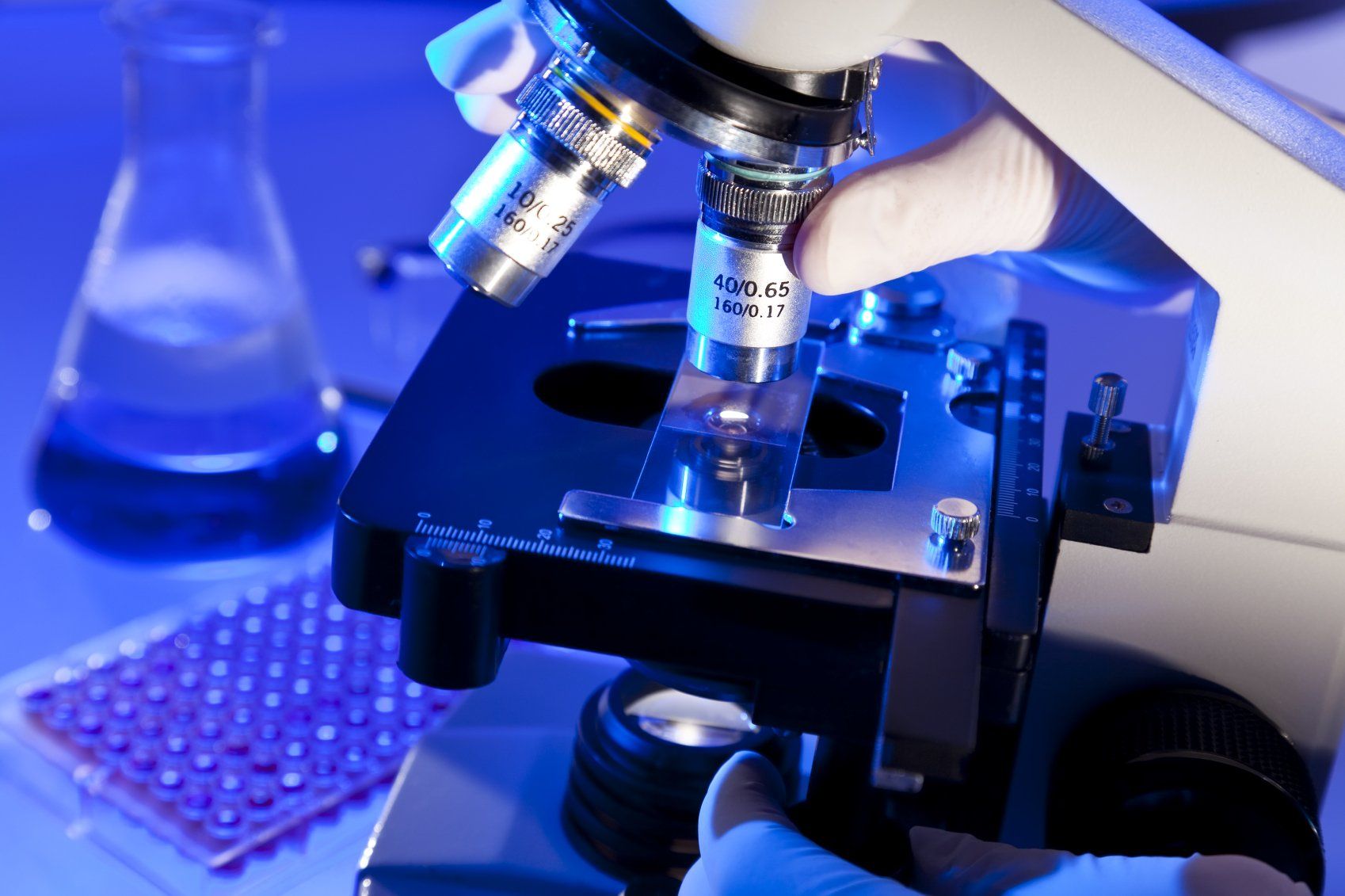
SMARCB1 e.V. will continue to support research on epithelioid sarcoma (EpS). This was decided by the members at their annual meeting. Over the course of two years, up to an additional 70,000 euros will be allocated to the research project supported by the association at the German Cancer Research Center (DKFZ)/Hopp Children’s Tumor Center (KiTZ) in Heidelberg. “In these difficult times, both politically and economically, it’s not easy to keep people’s willingness to donate alive,” explains Chairman Dr. Michael Wortmann. “But we will do everything in our power to reach the fundraising goal we’ve set.” SMARCB1 e.V. has been funding the project, led by Professor Dr. Dr. Thomas Grünewald Head of the Department of Translational Pediatric Sarcoma Research, since 2020. In addition to yielding new findings that have been published in renowned journals, the project has also initiated the formation of international networks. In three digital expert meetings—in 2021, 2023, and 2026—scientists from Europe, North America, and Asia exchanged insights on EpS. EpS is characterized by the loss of the tumor suppressor gene SMARCB1 in approximately 90% of cases and is therefore, as it were, archetypal for a group of other malignant diseases—not only in the context of sarcomas—in which the loss or impairment of this gene is also a defining feature. These include, for example, malignant rhabdoid tumor, ovarian carcinoma, gastrointestinal carcinoma, and lung carcinoma. “It would be irresponsible not to continue providing sustained support for research at this stage. As our understanding of the disease deepens and networks expand, it is essential that we continue this work in the best interests of patients,” explains the association’s president.
SMARCB1 e.V. unterstützt auch weiterhin die Forschung zum epitheloiden Sarkom (EpS). Das haben die Mitglieder auf ihrer Jahresversammlung beschlossen. Im Lauf von zwei Jahren sollen dem vom Verein unterstützten Forschungsprojekt am Deutsachen Krebsforschungszentrum (DKFZ)/Hopp-Kindertumorzentrum (KiTZ) Heidelberg weitere bis zu 70.000 Euro zufließen. „In politisch wie wirtschaftlich schwierigen Zeiten ist es nicht einfach, die Spendenbereitschaft am Leben zu erhalten“, erläutert der Vorsitzende Dr. Michael Wortmann. „Wir werden aber alles daransetzen, das ausgerufene Spendenziel zu erreichen“. SMARCB1 e.V. fördert das Projekt unter Leitung von Professor Dr. Dr. Thomas Grünewald, Leiter der Abteilung Translationale Pädiatrische Sarkomforschung, seit 2020. Das Vorhaben hat neben neuen Erkenntnissen, die in renommierten Fachzeitschriften publiziert wurden, auch die Bildung internationaler Netzwerke initiiert. In drei digitalen Expertentreffen – 2021, 2023 und 2026 – haben sich Wissenschaftler aus Europa, Nordamerika und Asien zu EpS ausgetauscht. EpS ist charakterisiert durch den Verlust des Tumorunterdrückungsgens SMARCB1 in ca. 90% der Fälle und daher gleichsam archetypisch für eine Gruppe weiterer bösartiger Erkrankungen, nicht nur im Sarkombereich, bei denen ebenfalls der Verlust oder die Beeinträchtigung dieses Gens Merkmal sind. Dazu gehören z.B. Malignant Rhabdoid Tumor, Ovarialkarzinom, Magen/Darmkarzinom, Lungenkarzinom. „Es wäre unverantwortlich, die Forschung bei dem jetzt erreichten Stand nicht weiter nachhaltig zu unterstützen. Fortschreitender Erkenntnisgewinn und Netzwerkaufbau verlangen geradezu die kontinuierliche Weiterführung im Sinne der Patienten“, erklärt der Vereinsvorsitzende.

SMARCB1 e.V. – Cancer Research for Young People has almost reached its goal. To date, 147,000 euros have been donated to the research project supported by the association at the German Cancer Research Center (DKFZ)/Hopp Children’s Tumor Center (KiTZ) in Heidelberg. The target is 150,000 euros. Dr. Michael Wortmann, Chairman of SMARCB1 e.V.: “We should be able to close the remaining gap within a reasonable timeframe. At this point, we would like to extend our heartfelt thanks to all donors to date.” SMARCB1 e.V. hopes that its many supporters from all walks of life will continue to contribute toward the remaining amount despite the war and ongoing crises. Perhaps new donors will also come forward who were previously unaware of SMARCB1 e.V.’s work on very rare sarcomas—types of cancer that particularly affect young people. Donation IBAN: DE23 3705 0299 0157 2946 17 (Kreissparkasse Köln) One thing is clear: even if the target is reached, the association will continue to advocate for cancer research. Scientists and patients need the support of volunteers. This support serves as an indispensable advocacy effort—especially in the field of rare cancers. The future outlook will be discussed on March 27, 2026, at the annual meeting of SMARCB1 e.V.
SMARCB1 e.V. – Krebsforschung für junge Menschen hat es fast geschafft. 147.000 Euro sind bisher für das vom Verein geförderte Forschungsprojekt am Deutschen Krebsforschungszentrum ((DKFZ)/Hopp-Kindertumorzentrum (KiTZ) Heidelberg gespendet worden. Zielmarke sind 150.000 Euro. Dr. Michael Wortmann, Vorsitzender von SMARCB1 e.V.: „Die noch bestehende Lücke sollte in überschaubarer Zeit geschlossen werden können. An dieser Stelle gebührt allen bisherigen Spendern ein herzliches Dankeschön.“ SMARCB1 e.V. hofft, dass sich die vielen Unterstützer aus allen Teilen der Gesellschaft trotz Krieg und Krisen auch für den Restbetrag engagieren werden. Vielleicht finden sich auch neue Spender, denen der Einsatz von SMARCB1 e.V. für die sehr seltenen Sarkome - Krebsarten, die besonders bei jungen Menschen auftreten - bisher nicht bekannt war. Spenden-IBAN: DE23 3705 0299 0157 2946 17 (Kreissparkasse Köln) Ganz klar: auch wenn die Zielmarke erreicht ist, wird sich der Verein weiter für die Krebsforschung einsetzen. Wissenschaftler und Patienten benötigen die ehrenamtliche Unterstützung. Sie stellt eine unverzichtbare Lobby dar – gerade im Bereich der selten Krebserkrankungen. Wie die künftige Perspektive aussieht, wird am 27. März 2026 auf der Jahresversammlung von SMARCB1 e.V. beraten.

The German Society for Hematology and Oncology (DGHO) has awarded its annual doctoral student prize to Dr. Jia Xiang Jin. He received the award for his dissertation entitled “Investigation of the SMARCB1 regulatory pathway regarding its role in maintaining stem cell and tumor characteristics, its potential as a biomarker, and its suitability as a target for personalized therapy in patients with epithelioid sarcoma (EpS).” The doctoral thesis was written at the German Cancer Research Center (DKFZ) and Hopp Children's Cancer Center (KiTZ) in Heidelberg and was supervised by Professor Dr. Dr. Thomas Grünewald. The prize is awarded for work dealing with clinical, experimental, or theoretical issues in hematology and oncology. The award-winning dissertation was also made possible by SMARCB1 e.V.'s support for EpS research at the DKFZ/KiTZ Heidelberg. There, the doctoral supervisor, Professor Grünewald, is head of the Department of Translational Pediatric Sarcoma Research. “We are delighted for Dr. Jin that his scientific commitment has been recognized with this award and congratulate him warmly on this achievement,” says the chairman of SMARCB1 e.V., Dr. Michael Wortmann. The award may well serve to focus the research interest of young scientists more strongly on very rare sarcoma diseases, which include EpS. https://www.dgho.de/aktuelles/news/news/aktuell/preistraeger-der-dgho-2025 https://www.dgho.de/media/jt2025_poster_preistraeger-dgho_a0_09-2025_web.pdf
Die Deutsche Gesellschaft für Hämatologie und Onkologie (DGHO) hat ihren jährlich ausgelobten Doktoranden-Förderpreis an Dr. Jia Xiang Jin verliehen. Er wurde ausgezeichnet für seine Dissertation „Investigation of the SMARCB1 regulatory pathway regarding role in maintaining stem cell and tumor characteristics, its potential as a biomarker, and its suitability as a target for personalized therapy in patients with Epithelioid Sarcoma (EpS)“. Die Doktorarbeit entstand am Deutschen Krebsforschungszentrum (DKFZ) bzw. Hopp-Kindertumorzentrum (KiTZ) Heidelberg und wurde von Professor Dr. Dr. Thomas Grünewald betreut. Der Preis ist jeweils für eine Arbeit bestimmt, die sich mit klinischen, experimentellen oder theoretischen Fragen der Hämatologie und Onkologie befasst. Die jetzt ausgezeichnete Dissertation wurde auch ermöglicht durch die von SMARCB1 e.V. geleistete Förderung der EpS-Forschung am DKFZ/KiTZ Heidelberg. Dort ist der Promotionsbetreuer Professor Grünewald Leiter der Abteilung „Translationale Pädiatrische Sarkomforschung“. „Wir freuen uns sehr für Dr. Jin, dass sein wissenschaftliches Engagement mit der Preisverleihung große Anerkennung findet und gratulieren ihm zur Auszeichnung ganz herzlich“, sagt der Vorsitzende von SMARCB1 e.V., Dr. Michael Wortmann. Mit dem Förderpreis werde womöglich das Forschungsinteresse von jungen Wissenschaftlern verstärkt auf sehr seltene Sarkomerkrankungen gelenkt, zu denen auch das EpS gehört. https://www.dgho.de/aktuelles/news/news/aktuell/preistraeger-der-dgho-2025 https://www.dgho.de/media/jt2025_poster_preistraeger-dgho_a0_09-2025_web.pdf

The third international digital expert meeting on epithelioid sarcoma (EpS) was a resounding success in the opinion of all participants. On February 2 and 3, 2026, 15 experts from seven countries exchanged views on the current status and future prospects of research into this rare form of cancer, which often affects young people. The speakers came from Finland, France, Italy, Canada, Poland, the USA, and Germany. The event was organized by SMARCB1 e.V. – Cancer Research for Young People, as well as the Italian organizations Orchestra per la Vita and MC4 in corsa per la Vita. “The meeting was made possible by many months of exclusively voluntary preparation by association members,” said the chairman of SMARCB1 e.V., Dr. Michael Wortmann. Another prerequisite were the excellent contacts of the two moderators, Dr. Sandro Pasquali, Istituto Nazionale Tumori, Milan, and Professor Dr. Dr. Thomas Grünewald, German Cancer Research Center (DKFZ)/Hopp Children's Cancer Center (KiTZ), Heidelberg, with the international sarcoma community. Of course, the willingness of the experts to contribute their findings to the conference was also crucial. “It is extremely impressive to see how the global community of researchers and clinicians is committed to understanding and ultimately defeating the still mysterious tumor disease EpS,” says Dr. Michael Wortmann. This shows that even extremely rare diseases can have a lobby when a collective of highly motivated experts comes together. All participants agreed that great progress had been made since the first digital expert meeting in 2021 and that the series of events should therefore definitely be continued.
Das dritte internationale, digitale Expertentreffen zum Epitheoliden Sarkom (EpS) war nach Ansicht aller Beteiligten ein voller Erfolg. Am 02. und 03. Februar 2026 tauschten sich 15 Expert(inn)en aus sieben Ländern über den gegenwärtigen Stand und künftige Perspektiven der Forschung zu dieser seltenen Krebserkrankung aus. Von ihr betroffen sind häufig junge Menschen. Die Referenten kamen Finnland, Frankreich, Italien, Kanda, Polen, den USA und Deutschland. Ausgerichtet wurde die Veranstaltung von SMARCB1 e.V. – Krebsforschung für junge Menschen sowie den italienischen Organisationen Orchestra per la Vita und MC4 in corsa per la Vita. „Möglich wurde die Durchführung des Treffens durch die viele Monate dauernde, ausschließlich ehrenamtliche Vorbereitung durch Vereinsmitglieder“, stellt der Vorsitzende von SMARCB1 e.V., Dr. Michael Wortmann, fest. Voraussetzung waren aber auch die exzellenten Kontakte der beiden Moderatoren Dr. Sandro Pasquali, Istituto Nazionale Tumori, Mailand, und Professor Dr. Dr. Thomas Grünewald, Deutsches Krebsforschungszentrum (DKFZ)/Hopp-Kindertumorzentrum (KiTZ), Heidelberg, in die internationale Sarkomcommunity. Entscheidend war dann natürlich die Bereitschaft der Experten, sich mit ihren Erkenntnissen in die Konferenz einzubringen. „Überaus beeindruckend, wie sich die weltweite Gemeinschaft von Forschern und Klinikern engagiert, um die nach wie vor rätselhafte Tumorerkrankung EpS zu verstehen und am Ende zu besiegen“, sagt Dr. Michael Wortmann. Dies zeige, dass auch extrem seltene Erkrankungen eine Lobby haben können, wenn sich ein Kollektiv von hochmotivierten Experten zusammenfinde. Alle Teilnehmer waren sich einig, dass es seit dem ersten digitalen Expertentreffen 2021 große Fortschritte gegeben habe und die Veranstaltungsreihe deshalb unbedingt fortgesetzt werden müsse.